

Introduction
Working from home has ended up being increasingly popular recently, and with the current international scenario, it has actually become a need for lots of people. Creating an effective home office area is essential for preserving emphasis and efficiency while functioning remotely. In this article, we will certainly explore various pointers and methods to help you layout and arrange your home office for optimum productivity.
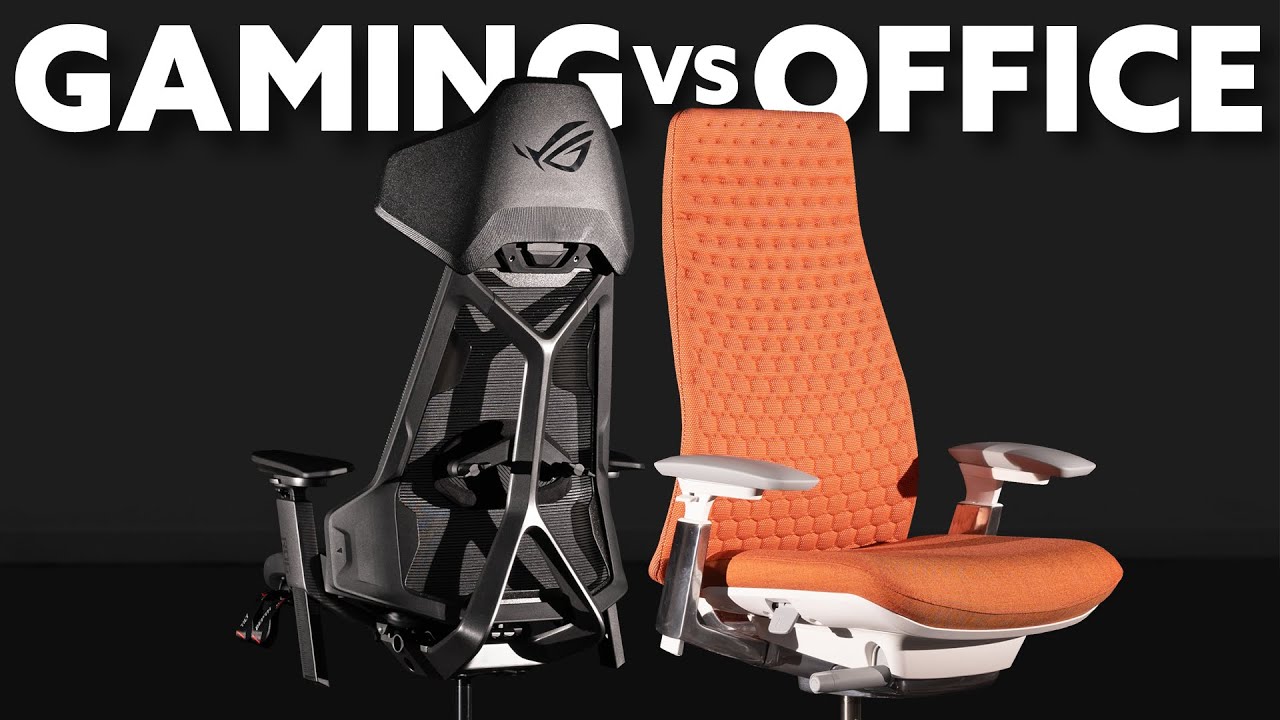
Table of Contents
Choosing the Right Office Chair Selecting the Perfect Office Desk Optimizing Your Workplace Lighting Creating an Organized Workspace Incorporating Ergonomic Office Furniture Stocking Up on Important Workplace Supplies Setting Borders in your house Office Utilizing Technology for Productivity Designing a Practical Home Office Layout Adding Personal Touches to Your Workspace Finding Motivation for Home Office Decor Creating a Distraction-Free Environment Establishing a Routine and ScheduleAnd so on ...
1. Choosing the Right Workplace Chair
Investing in a comfy and supportive office chair is vital for keeping great pose and avoiding pain in the back throughout long hours of work. Below are some vital factors to consider when selecting an office chair:
Ergonomics: Look for a chair that provides flexible seat height, back assistance, and armrests. These features will aid you customize the chair to your body's needs and promote appropriate alignment.
Comfort: Evaluate the chair prior to buying and guarantee that it supplies sufficient padding and extra padding. Take into consideration the material used for the seat and back-rest, in addition to any kind of additional features like a headrest or footrest.
Mobility: Go with a chair with swivel and casters for easy motion around your workspace. This will certainly allow you to reach various areas of your desk without straining or turning your body.
Style: While convenience needs to be a concern, there's no injury in picking a chair that enhances your home office aesthetic. Take into consideration the overall design, shade, and materials used to ensure it fits effortlessly right into your workspace.
2. Choosing the Perfect Office Desk
Your office desk is the centerpiece of your home office, so it is essential to choose one that fulfills your specific needs and choices. Below are some points to think about when choosing an office desk:
Size and Area: Analyze the available area in your home office and establish how much area you need for your work activities. Take into consideration both the width and deepness of the desk to guarantee it fits easily in the assigned area.
Storage Choices: Establish how much storage space you need for your work supplies and records. Try to find desks with integrated cabinets, racks, or cupboards to maintain your workspace arranged and clutter-free.
Height Adjustability: If possible, go with a workdesk with flexible height settings. This feature allows you to switch over in between resting and standing positions throughout the day, promoting far better stance and minimizing the threat of sedentary-related health issues.
Material and Sturdiness: Take into consideration the toughness of the workdesk material and choose one that can withstand daily usage. Usual alternatives consist of timber, metal, and laminate. In addition, pay attention to the top quality of building and construction and security of the desk.
3. Optimizing Your Workplace Lighting
Proper lights is vital for developing a productive home office area. Inadequate or severe lighting can cause eye pressure, headaches, and decreased emphasis. Right here are some suggestions to enhance your office lighting:
Natural Light: Setting your desk near a window to make the most of all-natural light exposure. All-natural light has been shown to boost state of mind, productivity, and total well-being.
Task Lights: Supplement all-natural light with task illumination sources such as desk lights or overhanging lights with flexible illumination setups. This will certainly ensure that your work area is well-lit, specifically during darker periods of the day.
Avoid Glow: Prepare your workdesk and monitor in a manner that minimizes glare on your computer screen. Use blinds or drapes to regulate the amount of sunshine entering the area and purchase an anti-glare display protector if necessary.
Lighting Temperature level: Take into consideration the shade temperature of your illumination resources. Cooler temperature levels (around 5000K) simulate daylight and advertise performance, while warmer temperature levels (around 2700K) produce a more relaxed atmosphere.
4. Developing an Organized Workspace
An arranged workspace is vital for preserving emphasis and effectiveness in your home office. Here are some ideas to assist you develop a clutter-free atmosphere:
Declutter On a regular basis: Allot time every week to declutter your work area. Get rid of any kind of unneeded items, submit away records, and arrange loose documents right into folders or binders.
Utilize Storage space Solutions: Buy storage solutions such as declaring cabinets, racks, or desktop computer coordinators to keep your products accessible however neatly arranged.
Digital Company: Expand your company efforts to digital files as well. Create folders on your computer or cloud storage space system to classify and keep records, making them conveniently obtainable when needed.
Labeling: Use labels to recognize different areas or storage space locations in your house office. This will certainly assist you locate things promptly and keep a systematic technique to organization.
5. Including Ergonomic Workplace Furniture
Ergonomic office furniture plays a vital role in developing a comfy and healthy and balanced work area. Below are some ways to integrate ergonomic aspects right into your home office:
Keyboard and Mouse: Invest in an ergonomic keyboard and computer mouse that sustain all-natural hand and wrist settings. These gadgets can assist avoid repetitive strain injuries like carpal tunnel syndrome.
Monitor Placement: Placement your computer monitor at eye level to decrease stress on your neck and eyes. Utilize a display stand or adjustable arm to attain the optimum viewing height.
Footrests and Standing Mats: If you go with a standing workdesk or regularly switch over in between resting and standing settings, think about using a foot rest or standing mat to support proper pose and decrease fatigue.
Wrist Supports: Use wrist sustains or ergonomic computer mouse pads with gel cushioning to relieve pressure on your wrists while keying or using the mouse.
6. Stockpiling on Important Workplace Supplies
Having the appropriate office supplies conveniently available is crucial for preserving efficiency in your home office. Here are some essential items you must think about stockpiling on:
Stationery: Purchase pens, pencils, highlighters, sticky notes, paper clips, and other stationery items that you make use of regularly.
Printer and Paper: If your job needs printing records, invest in a trustworthy printer and maintain an adequate supply of printer paper on hand.
Storage Solutions: Purchase folders, binders, data cupboards, or electronic storage space options to maintain essential papers arranged and conveniently accessible.
Whiteboard or Corkboard: Mount a white boards or corkboard near your workdesk for jotting down tips, important days, or pinning up important notes.
7. Establishing Boundaries in your house Office
Working from home can blur the lines in between work and personal life, making it vital to set limits within your home office area. Here are some strategies to establish clear boundaries:
Establish Working Hours: Determine your working hours and connect them to your member of the family or housemates. This will aid decrease interruptions and interruptions throughout designated work times.
Separate Job and Living Rooms: Ideally, designate a certain area or location entirely for job functions. This physical splitting up can produce a mental difference in between work and personal life.
Communicate Expectations: Plainly interact your assumptions relating to interruptions, sound degrees, and privacy to those sharing the same living space as you.
Take Regular Breaks: Schedule time-outs throughout the day to stretch, loosen up, or engage in non-work-related activities. This will certainly assist freshen your mind and prevent burnout.
8. Making Use Of Technology for Productivity
Leveraging innovation can substantially enhance performance in your house office. Here are some tools and software application you can incorporate right into your process:
Project Administration Devices: Use job monitoring devices like Trello, Asana, or Monday.com to organize tasks, set deadlines, and collaborate with team members.
Communication Platforms: Use interaction systems such as Slack or Microsoft Teams to remain gotten in touch with coworkers and customers, promoting smooth collaboration.
Time Tracking Apps: Install time tracking apps like RescueTime or Toggl to monitor how you invest your time during working hours. This can help identify locations of improvement and increase productivity.
Virtual Conferences: Make use of video clip conferencing devices like Zoom or Google Meet for online conferences with customers or associates, removing the need for physical travel.
9. Designing an Useful Home Office Layout
The design of your home office plays a considerable function in productivity and operations efficiency. Below are some factors to consider when making a functional format:
Ergonomic Operations: Arrange your workdesk, chair, and various other vital items in a way that promotes an ergonomic operations. Guarantee that frequently utilized things are within easy reach to decrease unnecessary movements.
Traffic Circulation: Consider the circulation of web traffic in your home office area. Setting your desk far from high-traffic locations to decrease disturbances and interruptions.
Privacy: If personal privacy is important for your job, consider utilizing space dividers or drapes to create a secluded location within your home office.
Dual Screens: If you frequently collaborate with several screens, make certain that your workdesk has sufficient area to accommodate twin displays without really feeling cramped.
10. Including Personal Touches to Your Workspace
While productivity is crucial, it's likewise essential to instill your personality and style into your home office room. Below are some means to add personal touches:
Decorative Aspects: Display artwork, photographs, or inspirational quotes that resonate with you on the wall surfaces of your home office. These visual elements can motivate creativity and increase mood.
Plants: Incorporate indoor plants right into your office to bring life and quality into the atmosphere. Plants additionally help enhance air high quality and develop a calming atmosphere.
Color System: Pick a color scheme that shows your individual taste and stimulates the preferred state of mind for job. Take into consideration making use of shades understood for their productivity-enhancing qualities, such as blue or green.
Personal Tokens: Area nostalgic items or things that hold special definition to you on your desk or shelves. These mementos can function as tips of enjoyed ones or previous achievements.
11. Searching For Ideas for Home Office Decor
If you're uncertain where to begin when it pertains to decorating your home office, finding ideas can be handy. Here are some resources of inspiration for http://charliejdwn468.timeforchangecounselling.com/smooth-and-modern-computer-office-desks-for-your-workspace home office decor:
Online Systems: Browse internet sites like Pinterest or Instagram for home office decor ideas. Save or bookmark photos that resonate with your design and create a state of mind board to direct your layout choices.
Interior Design Blog sites: Adhere to interior design blogs that concentrate on home office spaces. These blog sites often feature real-life instances, suggestions, and product referrals to aid you curate your excellent workspace.
Magazines: Flip through interior decoration publications for ideas and ideas. Tear out web pages or develop a physical ideas board to refer back to when developing your home office.
Virtual Tours: Take digital trips of expertly developed home offices or creative offices to collect ideas and see how various aspects integrated harmoniously.
12. Developing a Distraction-Free Environment
Minimizing interruptions is essential for preserving focus and productivity in your home workplace. Right here are some techniques to produce a distraction-free environment:
Noise-Canceling Headphones: Invest in noise-canceling headphones to shut out external sounds and develop a quiet, concentrated atmosphere.
Do Not Disrupt Indicator: Hang a "Do Not Disturb" indication outside your home office door or near your workspace to indicate to others that you're in work mode and must not be interrupted.
Digital Distractions: Usage internet browser expansions or applications that block disruptive web sites or social networks platforms during working hours. This can help in reducing the lure to engage in non-work-related activities.
Separate Workstation: Ideally, dedicate a separate area only for your home office to minimize direct exposure to home distractions such as chores or relative' activities.
13. Developing a Regular and Schedule
Creating a routine and adhering to a routine is necessary for productivity when functioning from home. Below are some pointers for developing an efficient routine:
Set Clear Goals: Identify your daily, once a week, or regular monthly objectives and break them down into workable jobs. Having clear goals will certainly aid you stay concentrated and encouraged throughout the day.
Time Blocking: Assign certain time ports for different tasks or activities throughout the day. This aids develop framework and prevents procrastination.
Prioritize Vital Jobs: Identify one of the most important tasks on your order of business and tackle them throughout your most effective hours. Attending to important tasks early in the day sets a favorable tone for the rest of your work.
Take Routine Breaks: Set up short breaks in between job sessions to recharge and avoid burnout. Use this time around to stretch, walk, or take part in tasks that aid clear your mind.
Frequently Asked Questions (Frequently Asked Questions)
Q: What is the very best office chair for lengthy hours of sitting?
A: The best office chair for long hours of sitting is one that supplies excellent back support, adjustable seat height, and cushioning. Some prominent options consist of the Herman Miller Aeron Chair, Steelcase Motion Chair, and Secretlab Omega Series Chair.
Q: How can I produce an affordable home office space?
A: To create an economical home office space, take into consideration acquiring used furniture, buying sales or clearance areas, and repurposing things you currently own. Seek budget friendly alternatives to brand-name items without compromising on quality.
Q: Are standing workdesks worth it?
A: Standing workdesks offer various health and wellness advantages, consisting of improved stance, reduced pain in the back, and increased calorie expenditure. Nonetheless, they might not appropriate for everybody. It is necessary to locate a balance in between resting and standing throughout the day to stay clear of prolonged periods in either position.
Q: How can I minimize distractions while working from home?
A: Lessening interruptions while functioning from home entails creating a devoted office, establishing limits with family members or housemates, utilizing noise-canceling headphones, and implementing electronic devices to block disruptive web sites or apps.
Q: Can I assert home office expenditures on my taxes?
A: In some countries, self-employed individuals or those who work from home may be qualified to assert specific home office costs as tax obligation reductions. Seek advice from a tax specialist or refer to your country's tax policies for specific guidelines.
Q: What is the suitable temperature level for a home office?
A: The suitable temperature level for a home office is subjective and can differ depending upon personal preference. Nonetheless, study suggests that a temperature level between 68-72 ° F (20-22 ° C) promotes productivity and convenience for most individuals.
Conclusion
Designing an effective home office room is essential for making best use of emphasis, efficiency, and overall task satisfaction while working remotely. By carefully choosing ergonomic furniture, optimizing lights problems, and arranging your office effectively, you can produce an atmosphere that fosters performance and creative thinking. Bear in mind to customize your work space and develop limits to maintain a healthy work